About Salem
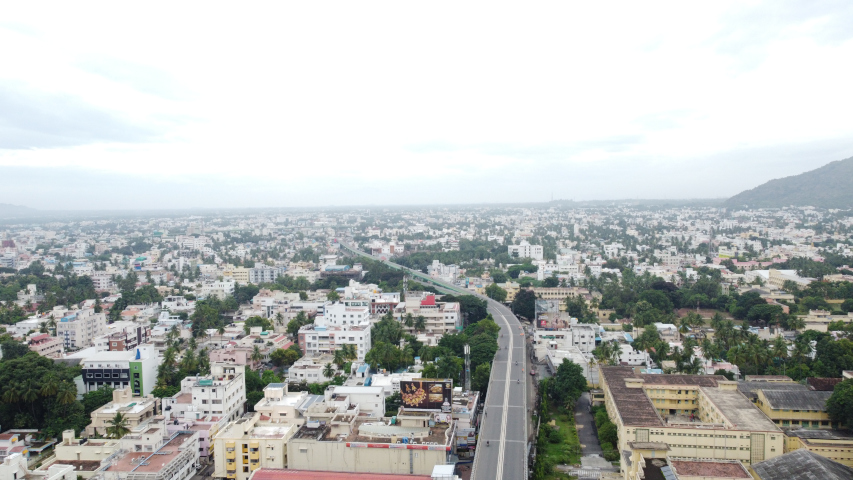
Salem, located in the southern Indian state of Tamil Nadu, is a city rich in history, culture, and economic significance. Nestled amidst the Shevaroy Hills and traversed by the Thirumanimutharu River, Salem is often referred to as the "Steel City" due to its prominent steel industry, including the Salem Steel Plant operated by the Steel Authority of India. Additionally, the city is renowned for its thriving textile sector, particularly cotton and silk weaving, and is a major producer of mangoes, earning it the moniker "Mango City".
Historically, Salem's roots trace back over two millennia, with evidence of Roman trade links, such as the discovery of Roman coins in the region. The city has been under the rule of various dynasties, including the Pandyas, Pallavas, Cholas, and later the Vijayanagara Empire. In the 18th century, it came under the control of Hyder Ali and subsequently the British, becoming one of the first districts established in India in 1792.
Salem's cultural landscape is marked by significant religious sites, such as the Kottai Mariamman Temple and the Sugavaneshwarar Temple, reflecting its deep-rooted spiritual heritage. The city's economy is bolstered by agriculture, with crops like cotton, turmeric, and bananas, supported by irrigation from the Mettur Dam. Modern infrastructure includes a well-connected transportation network, featuring major highways, a prominent railway junction, and an airport offering flights to cities like Chennai and Bengaluru
With a population exceeding 1.1 million, Salem stands as a testament to the harmonious blend of tradition and modernity, making it a vital urban center in Tamil Nadu.